



Tenerife offers an unrivalled variety of natural and cultural attractions. In just over 2,000 km2, the island boasts an extraordinary diversity of landscapes, climates and vegetation, from beautiful beaches and dramatic mountains to historic towns and even World Heritage Sites. If you are visiting Tenerife to enjoy its golf courses, we highly recommend taking some time to explore the island's most interesting places. Wherever you are staying, most of Tenerife's main attractions are easily accessible by car, making it possible to combine golf with sightseeing during your holiday.
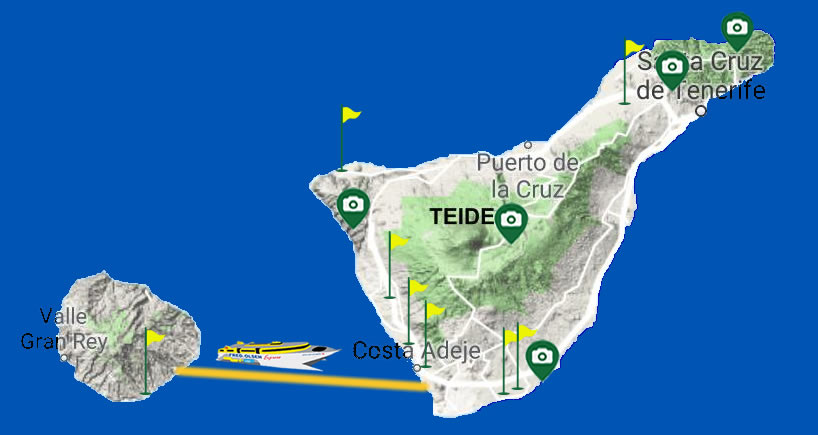
Below, we offer a brief guide to what we consider to be the five best places to visit in Tenerife, together with some useful tips to help you make the most of your time at each destination.

Top 5 best places to visit in tenerife
Cliffs of the Giants
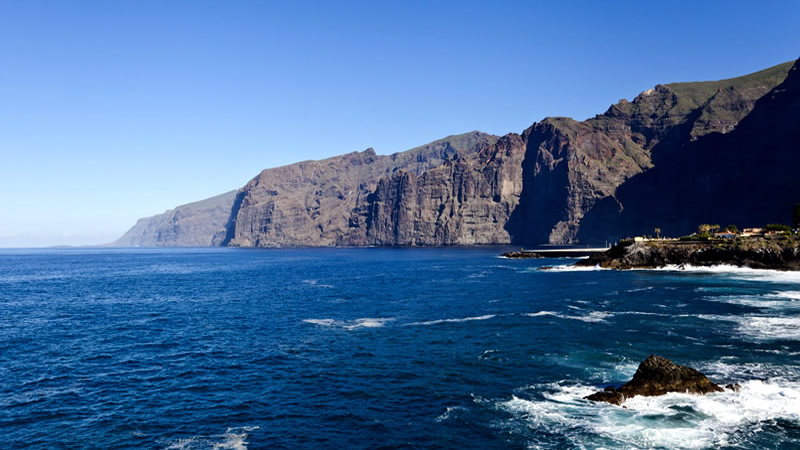
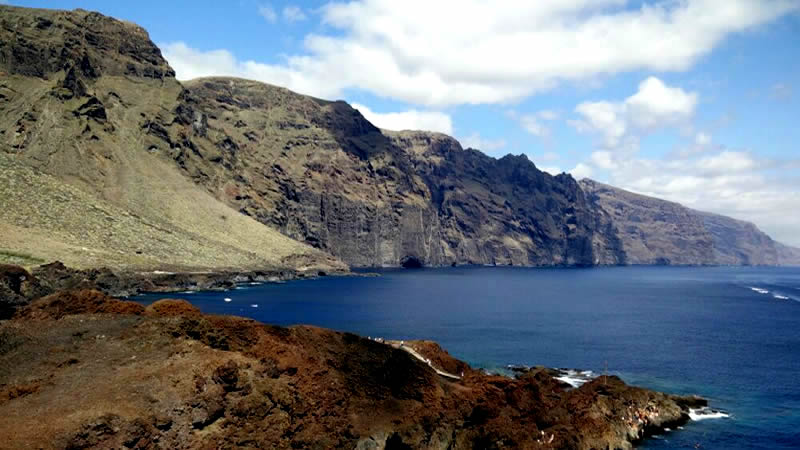
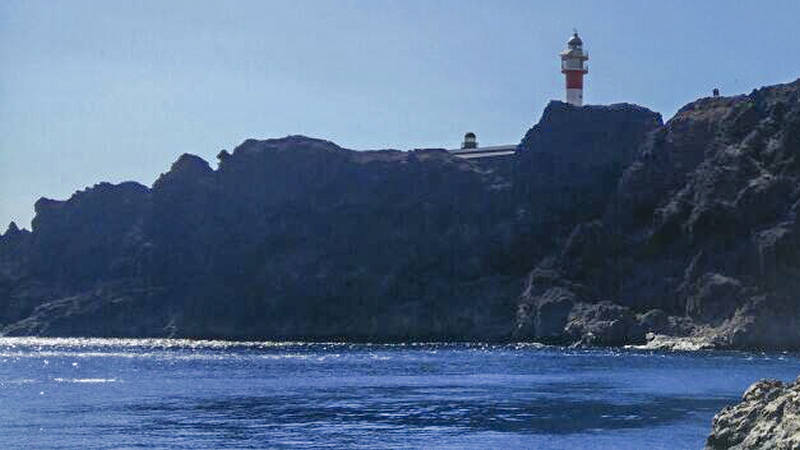
The cliffs of Los Gigantes are a spectacular volcanic formation on the west coast of Tenerife, characterised by their almost vertical walls, which rise dramatically from the ocean to heights of up to 600 metres. These impressive cliffs stretch from the port of Los Gigantes to Punta de Teno, the westernmost point of the island. One of the best ways to see the cliffs up close is to take a boat trip from the port of Los Gigantes. These excursions often include the opportunity to see the bottlenose dolphins and pilot whales that inhabit the surrounding waters. Many boat trips also include a stop at Masca Beach, where you can enjoy a swim and lunch in truly idyllic surroundings.
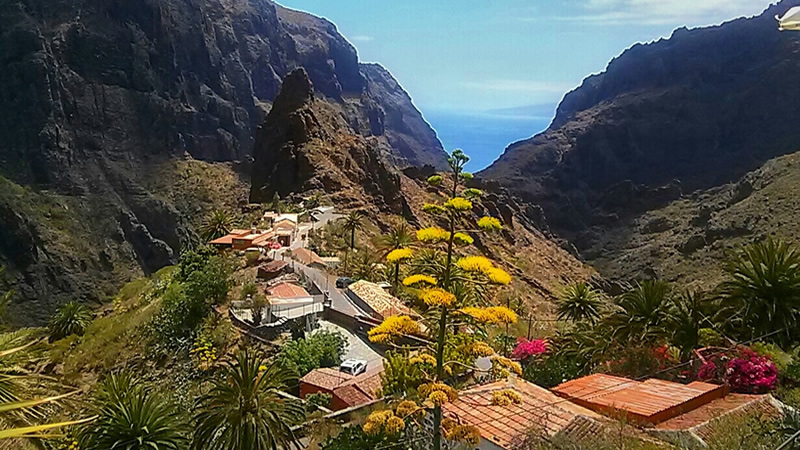
It is also highly recommended to visit the village of Masca, located high in the mountains above the cliffs. Stop for a drink and take some time to enjoy the magnificent views and the peaceful atmosphere of this remarkable village. The cliffs end — or begin — at Punta de Teno, the northwesternmost point of Tenerife. From here, you can enjoy spectacular views of the cliffs, and the area is located very close to Buenavista Golf.

Teide National Park
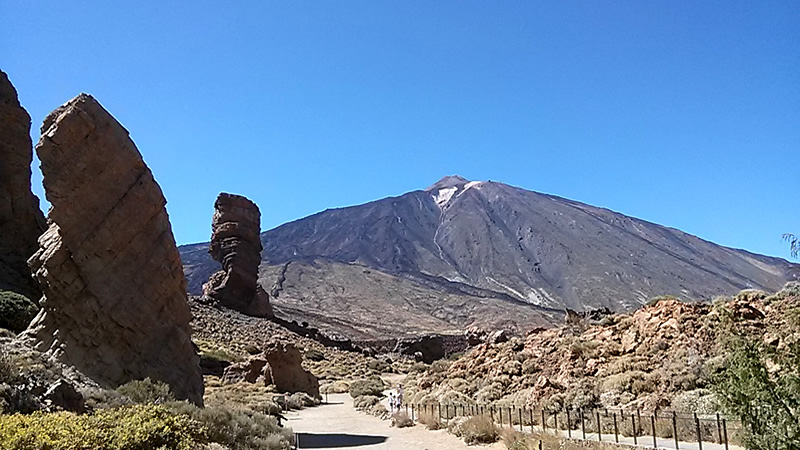
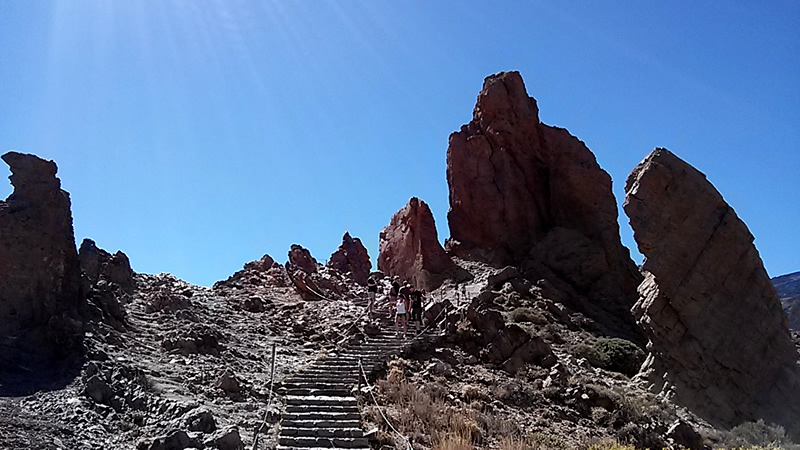
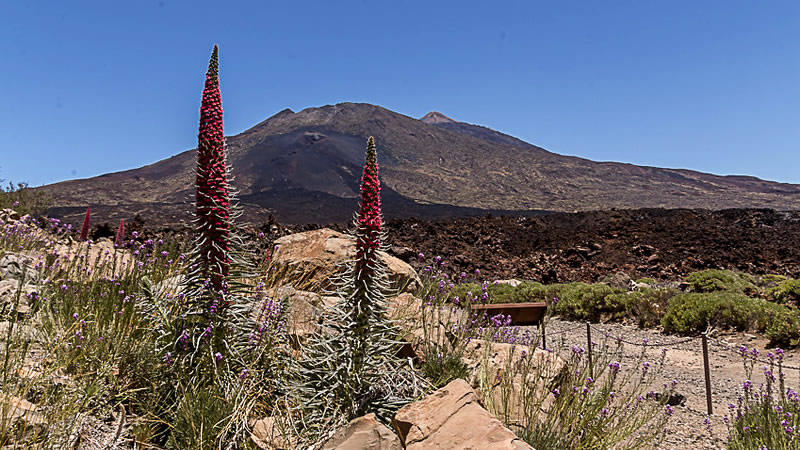
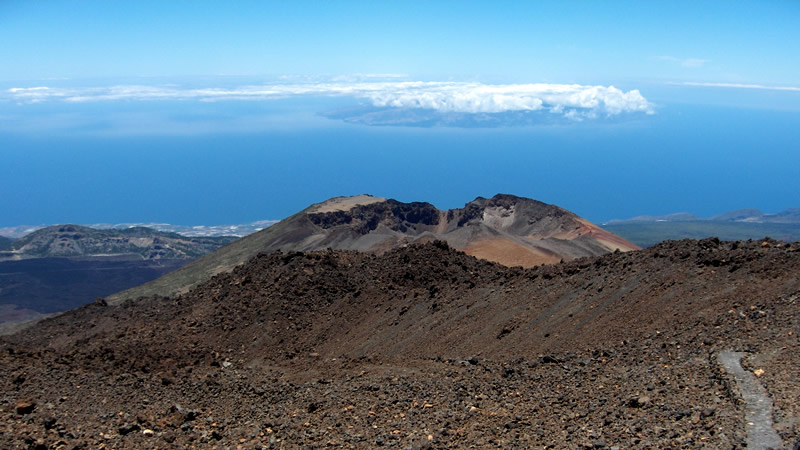
Without a doubt, Teide National Park is one of the most important and unmissable places to visit in Tenerife. Declared a UNESCO World Heritage Site in 2007, it is located in the centre of the island at an average altitude of around 2,000 metres. At its heart is Mount Teide, whose summit reaches 3,718 metres and is the highest point in Spain. Teide was declared a national park in 1954 and is the largest and oldest of the national parks in the Canary Islands, as well as the third oldest in Spain. Its extraordinary landscape is one of the most spectacular volcanic environments in the world, with volcanic cones, craters and lava flows creating an astonishing variety of colours, textures and shapes. The park is also home to an extraordinary range of plant life. Around 194 species of higher plants can be found here, including 58 endemic species of the Canary Islands. One of the most spectacular is the red tajinaste, which has become one of the characteristic symbols of the Teide landscape.
Reaching the summit of Mount Teide at 3,718 metres is an unforgettable experience. From the highest point in Tenerife, you can enjoy breathtaking views over Las Cañadas, the neighbouring Pico Viejo volcano and, on exceptionally clear days, the other Canary Islands.
The upper part of Teide can be reached by cable car. The journey from the lower station takes around eight minutes and brings you to a point below the summit. It is also possible to reach the summit on foot via a demanding trail that takes around six hours and starts at Montaña Blanca. In either case, a special permit is required to access the summit itself if you wish to complete the final section of the ascent. If you want to spend the night on the mountain, the Altavista Refuge offers the opportunity to experience the sunrise from the heights. A permit is not required to take the cable car and enjoy the spectacular views from its upper station.

Anaga Rural Park
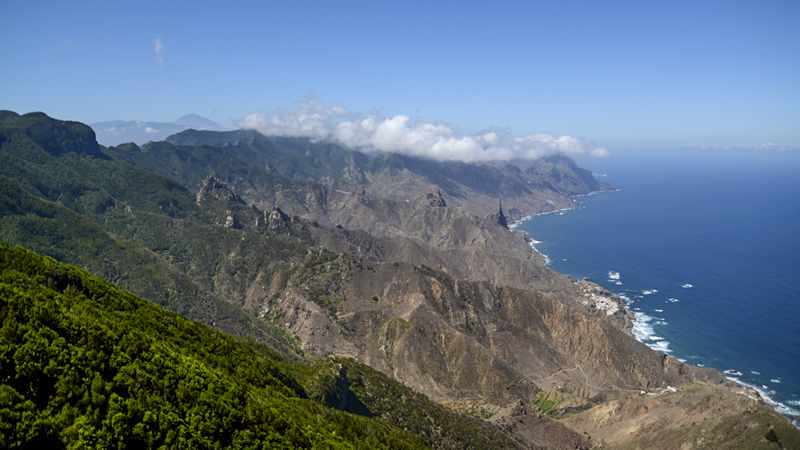
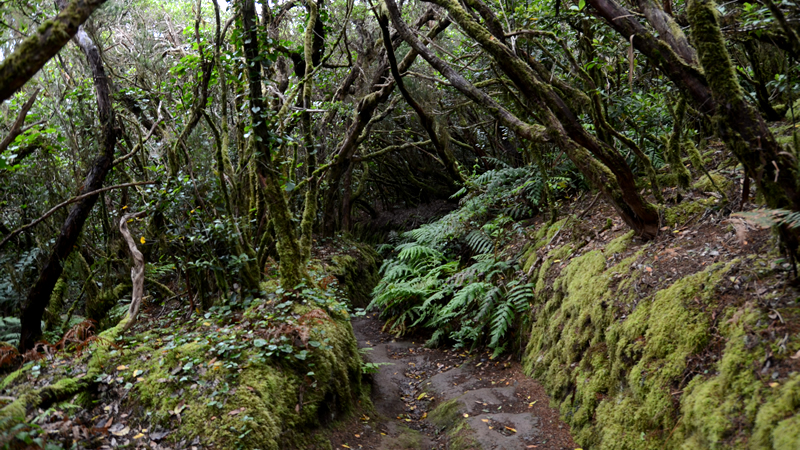
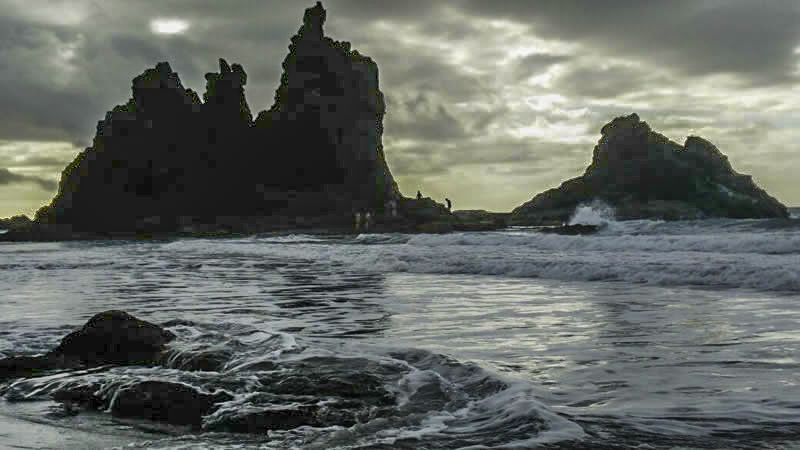
Anaga Rural Park is a protected natural area located in the Anaga Massif in the northeast of Tenerife. It was declared a UNESCO Biosphere Reserve in 2015 and is one of the areas of the Canary Islands with the greatest concentration of endemic species. The best way to explore and enjoy this part of the island is on foot, following one of its many hiking trails, although some routes require prior permission. Alternatively, you can explore the area by car, making plenty of stops along the way to admire the spectacular scenery and vegetation from the numerous viewpoints. We recommend stopping at the Visitors Centre, where you can obtain information about the park and the hiking routes available, depending on how much time you have. The staff can also provide information about closed trails, protected areas with restricted access and other useful advice for visiting the area.
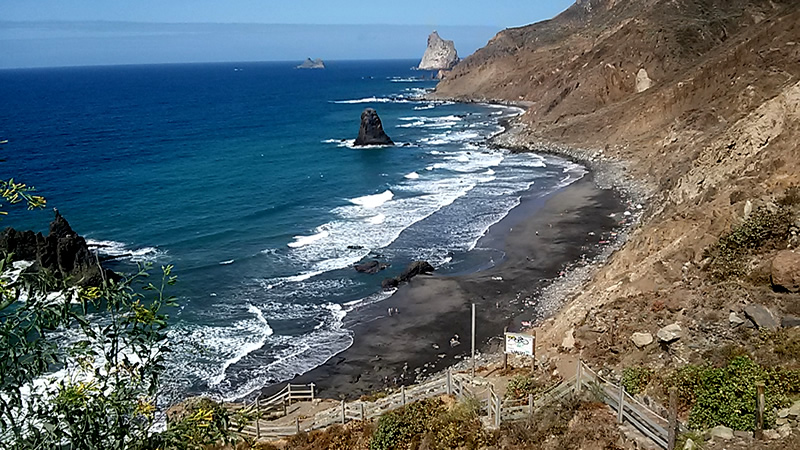
Over the years, wind and rain have shaped a unique landscape of dense vegetation and deep ravines that descend towards the sea. These dramatic surroundings give rise to numerous beaches of great beauty and character. One of the most spectacular is Benijo Beach, at the end of one of the few roads crossing the park. Besides enjoying a swim in this unique setting, you can admire spectacular panoramic views of the Roques de Anaga, two of the most iconic natural landmarks in Tenerife.
San Cristóbal de La Laguna
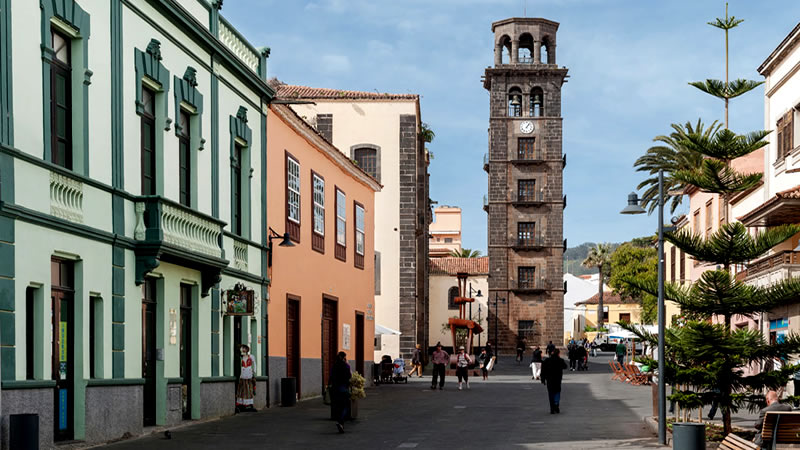
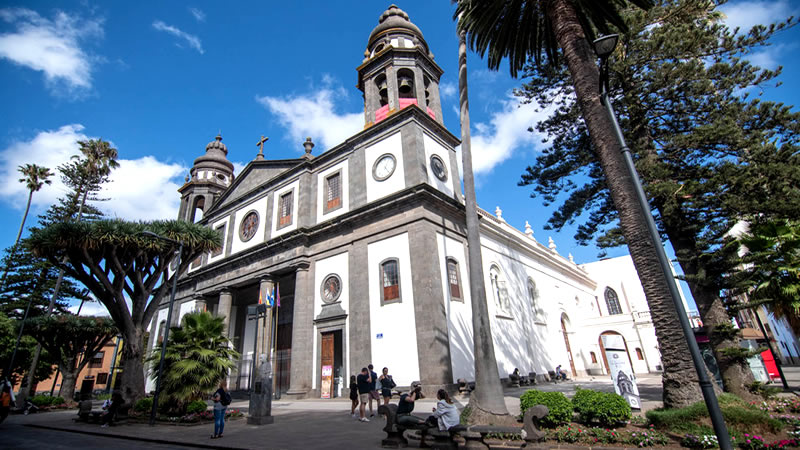
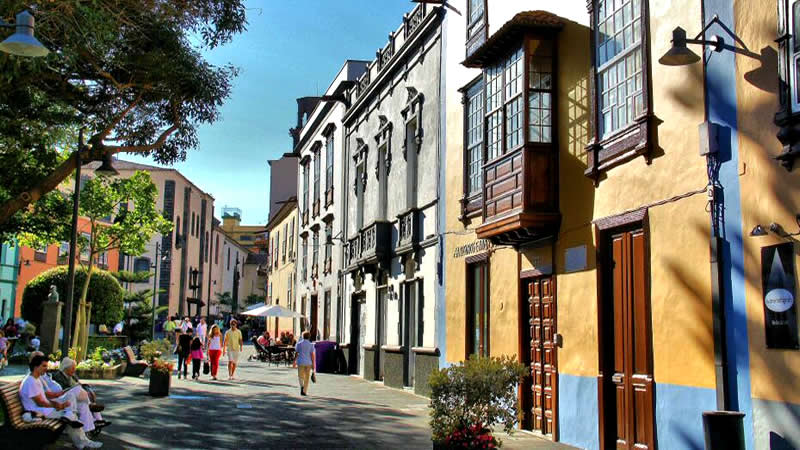
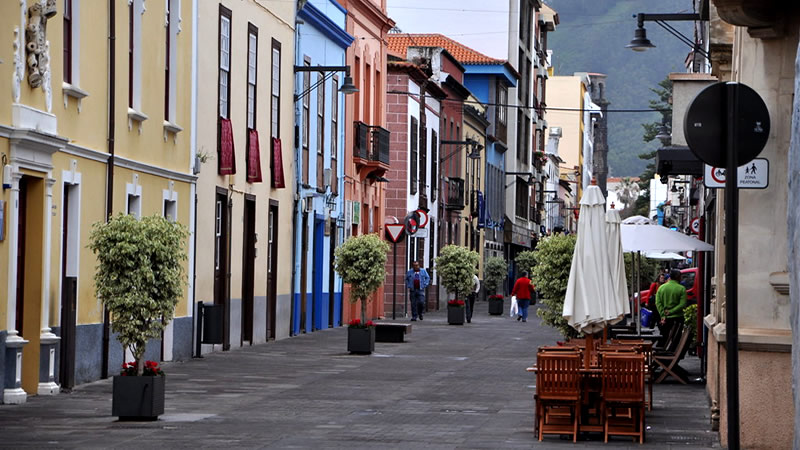
The city of San Cristóbal de La Laguna, commonly known simply as La Laguna, is located at an altitude of around 545 metres. It is the second-largest city in Tenerife and one of the most important historical cities in the Canary Islands. La Laguna was declared a UNESCO World Heritage Site in 1999 because of its unique historic urban layout and its importance as an example of a colonial city. Its streets are lined with buildings ranging from modern constructions to historic houses that are several centuries old, creating a distinctive colonial atmosphere. The city is only around 10 minutes by car from the Real Club de Golf de Tenerife, making it an ideal place to visit after playing a round of golf.
In addition to walking through the historic centre and enjoying a drink at one of its many terraces, there are several important buildings worth visiting. The Cathedral of La Laguna and the Church of the Conception are two of the highlights. The Cathedral combines a Neo-Gothic main structure with a Neoclassical façade inspired by Pamplona Cathedral. It is also the final resting place of Alonso Fernández de Lugo, the conqueror of Tenerife and founder of the city, who was granted the title of "El Adelantado" by the Spanish Crown. The Church of the Conception was founded in 1511 and became the mother parish of Tenerife, from which other parishes on the island were subsequently established. The church stands in what was once known as Villa de Arriba, an area historically associated with craftsmen's guilds and characterised by Baroque and Tuscan architectural influences.
La Tejita Beach - El Médano
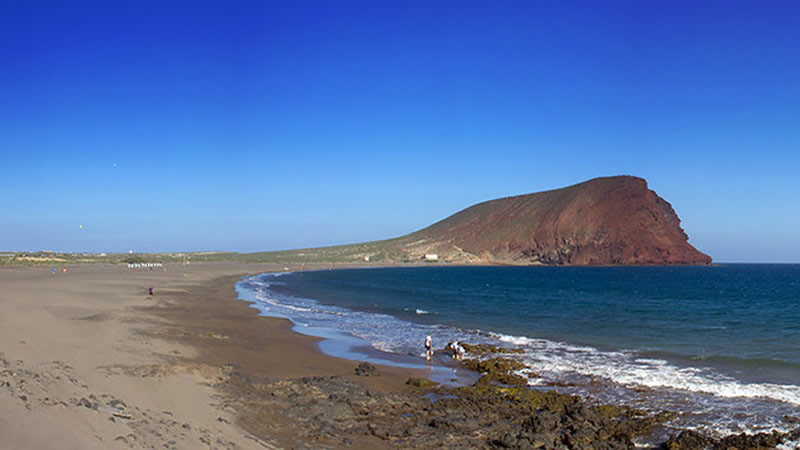
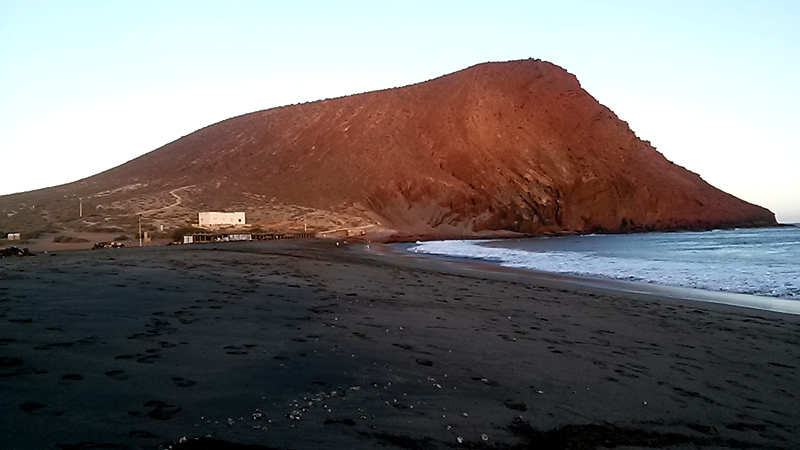
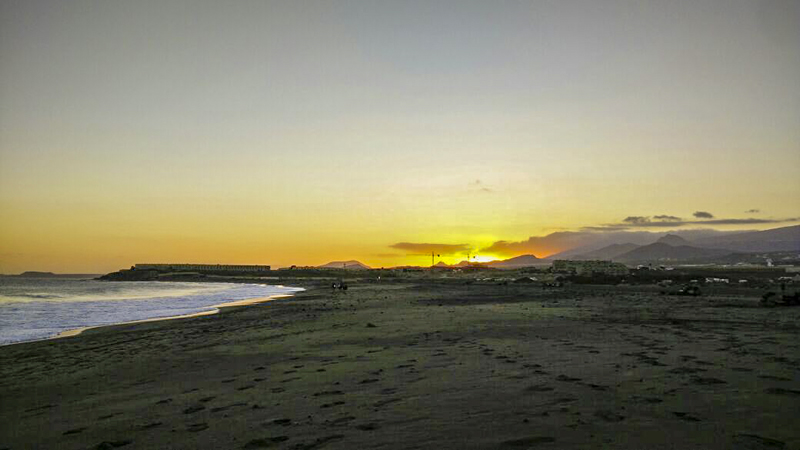
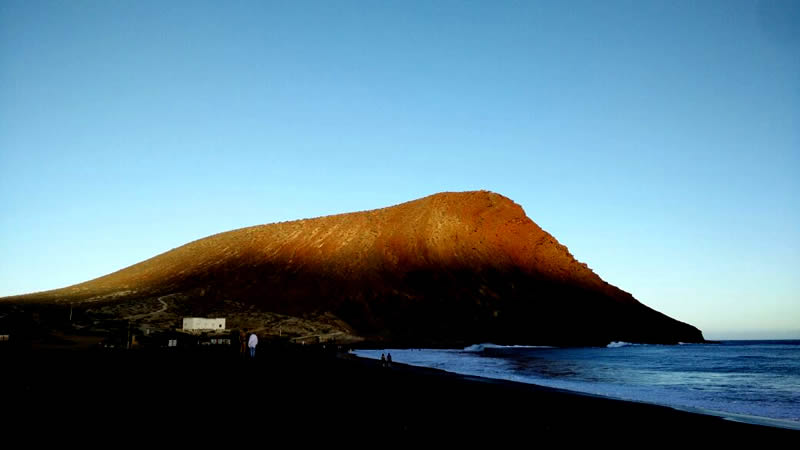
La Tejita Beach is located near El Médano, in the municipality of Granadilla de Abona, next to the volcanic cone of Montaña Roja and very close to Amarilla Golf and Golf del Sur. The area forms part of the Montaña Roja Special Nature Reserve and is one of the island's most attractive examples of coastal volcanic landscapes. La Tejita is approximately one kilometre long and can be quite windy, with occasional strong currents. For this reason, if you go swimming, it is advisable to remain reasonably close to the shore. Nudism is permitted on the beach, although naturists tend to use a smaller, more secluded area at the foot of Montaña Roja.
The nearby beach of El Médano is internationally known for windsurfing and kitesurfing. You may occasionally see people practising these sports at La Tejita as well, although the conditions at El Médano are generally more suitable. If you prefer quieter beaches with less wind and smaller waves, the beaches around Costa Adeje, such as Las Vistas and Fañabé, are better options. Nevertheless, La Tejita is well worth visiting for a relaxing walk along the shore and for the spectacular scenery surrounding this beautiful part of Tenerife.